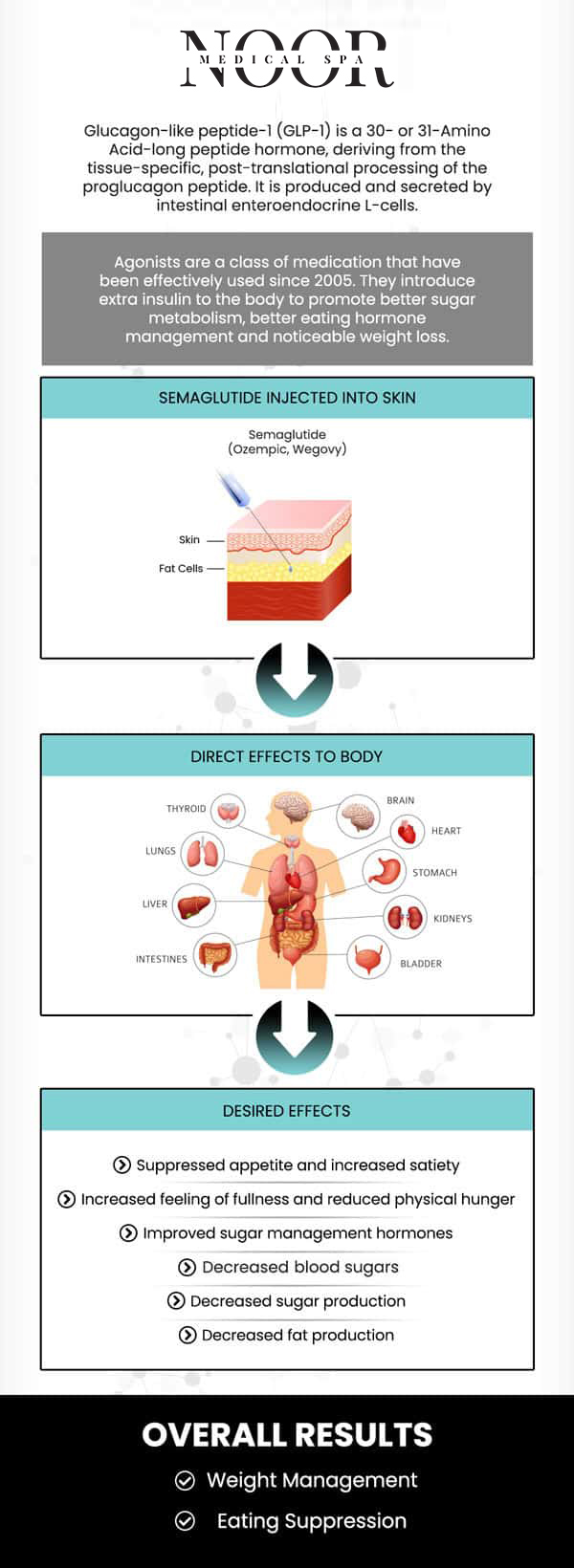
The Science: How Semaglutide Affects Your Heart and Blood Vessels Semaglutide lowers blood pressure primarily by treating obesity, a key driver of hypertension and other cardiovascular diseases
This is the Tmax, the time to maximum concentration
FDA-approved pharmacotherapy alternatives include several options with established safety profiles: Semaglutide (Wegovy): A GLP-1 receptor agonist producing 12-15% weight loss, with cardiovascular benefits demonstrated in the SELECT trial and FDA-approved indication for reducing cardiovascular risk Liraglutide (Saxenda): A GLP-1 receptor agonist producing 5-8% weight loss [4] Phentermine-topiramate (Qsymia): FDA-approved combination producing 7-10% weight loss with established safety data Naltrexone-bupropion (Contrave): Combination targeting reward pathways and appetite, producing 5-9% weight loss [4] Orlistat (Xenical, Alli): Lipase inhibitor producing 3-5% weight loss with gastrointestinal side effects [4] Setmelanotide (Imcivree): For rare genetic obesity disorders (POMC, PCSK1, LEPR deficiency) [4] Metabolic and bariatric surgery should be considered for patients with BMI 40 kg/m or 35 kg/m with obesity-related comorbidities who have not achieved adequate weight loss with nonsurgical interventions
Strategy 2: Dose Splitting (Stability Over Peaks) Retatrutide has approximately 6-day half-life
These include risks related to pancreatitis, gallbladder problems, low blood sugar when combined with certain diabetes medications, kidney problems related to dehydration, and a boxed warning about thyroid C-cell tumors based on animal studies